Rhinoplasty
Rhinoplasty
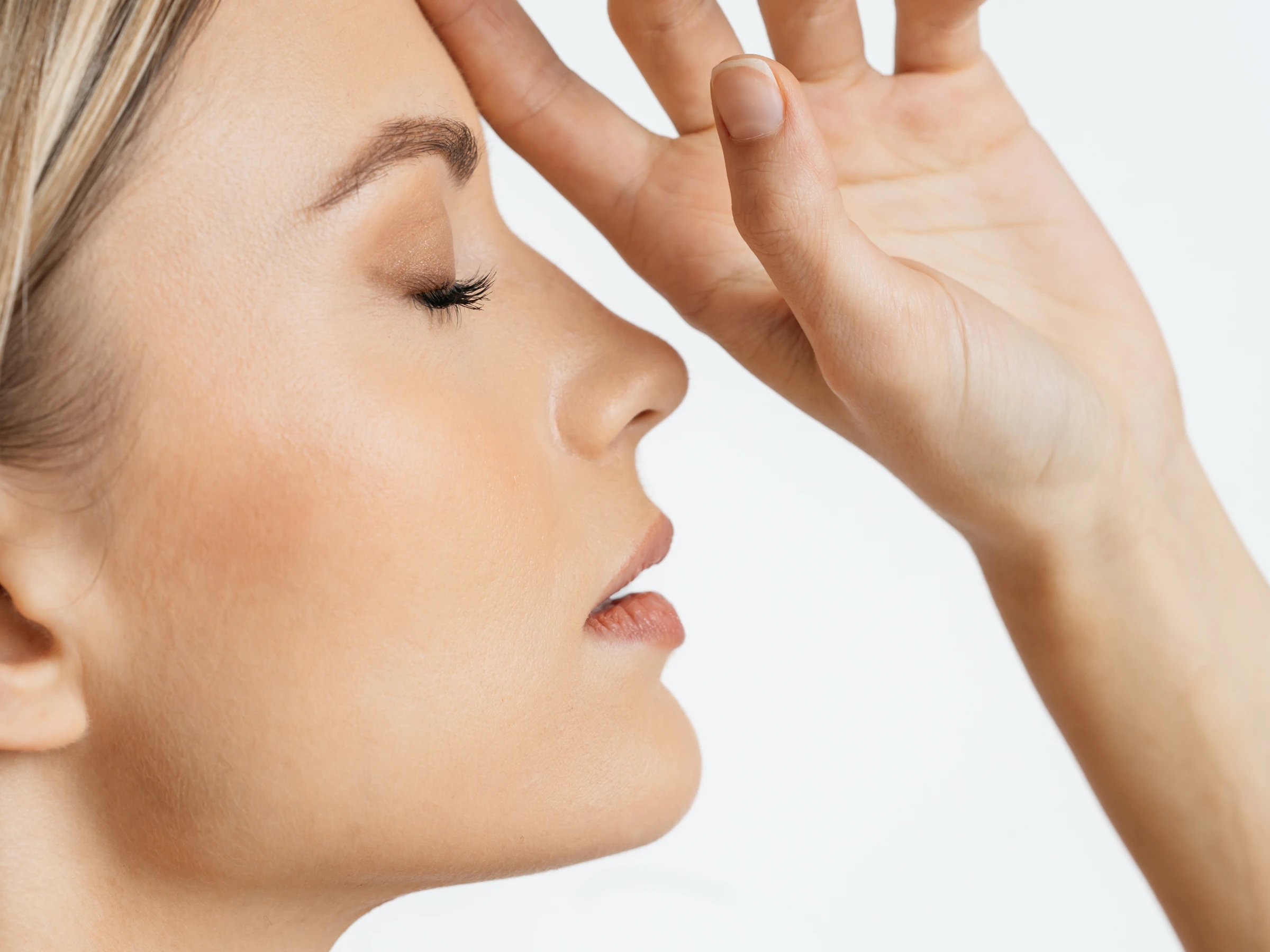
The nose is the central point of facial harmony, so it is natural that its imperfections can cause aesthetic, but also physiological and functional, harm. Rhinoplasty is the surgery that changes the size, structure and appearance of the nose to make the face more harmonious, correcting deviations and asymmetries. Beyond its aesthetic importance, it also corrects problems linked to dysfunction caused by a deviated nasal septum, improving breathing. Aesthetically, the areas most often treated are the nasal dorsum (which may be too low, too wide or have bumps, among others) and the tip (sometimes too wide, drooping or too upturned). Functionally, several conditions can interfere with breathing, namely a deviated nasal septum (which also has aesthetic implications), turbinate hypertrophy, nasal polyps, etc. These malformations are corrected with rhinoseptoplasty. Breathing obstruction, snoring or a runny nose may point to an underlying functional nasal condition. The diagnosis is made by the plastic surgeon, who may request additional tests. It is a personalised procedure — there is no one-size-fits-all way to perform rhinoplasty. It is tailored to the patient's wishes and anatomy.
S U R G I C A L J O U R N E Y
Anaesthesia
General
Surgery time
3 – 4 hours
Hospital stay
1 day
Recovery
2 – 3 weeks
Physical activity
4 weeks
Expected results
6 months

F A Q
Does rhinoplasty leave scars?
Scars are usually hidden inside the nasal cavity. When external incisions are needed, they are small and unnoticeable.
Is the post-operative period painful?
Pain is rare. Recovery after rhinoplasty is usually quite comfortable. If pain does occur, it can be eased with painkillers prescribed by the doctor. In some cases, antibiotics and corticosteroids may also be prescribed.
